Millet Porridge with Yam
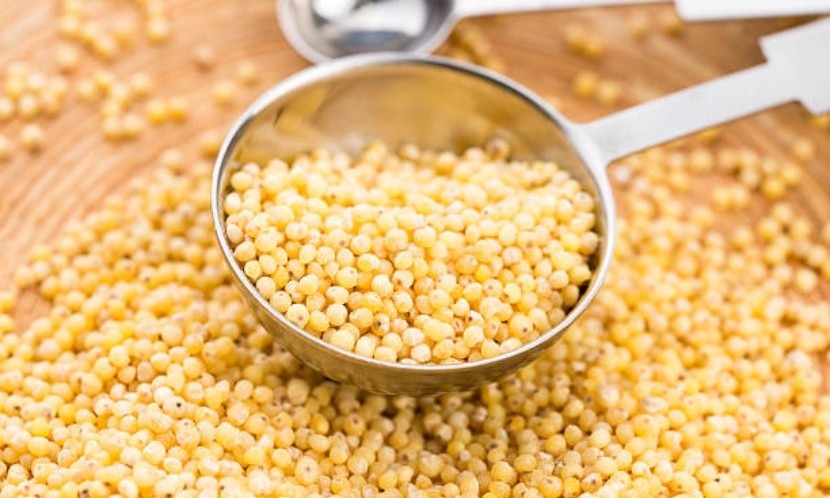
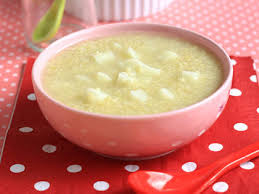
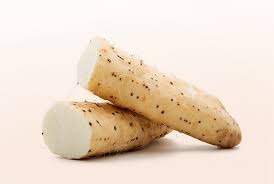
Millet and Yam Porridge is a traditional Chinese dish that has been cherished for centuries for its health benefits and comforting taste. In Chinese medicine, it is believed to nourish the stomach, promote digestion, and strengthen the spleen.
Under modern medical principals, Millet and Yam Porridge does have those effects.
| Protecting stomach | Maintaining Gastrointestinal Function | Easy Digestion | |
| Millet | mildly alkaline properties | B-vitamins | soft grain |
| Yam | rich in mucilage protein | polysaccharides & saponins | naturally tender |
1. Protecting Stomach
Millet has mildly alkaline properties that can help counteract excessive acidity in the stomach, offering relief from discomfort caused by acid [1]. Yam, on the other hand, is rich in mucilage protein—a gel-like substance that coats the stomach lining and acts as a protective barrier against irritation caused by gastric acid [2]. Those properties make millet and yam porridge particularly beneficial for individuals with sensitive stomachs or those recovering from digestive ailments.
2. Maintaining Gastrointestinal Function
Millet is rich in B vitamins, especially B1 and B2, which aids in the proper functioning of digestive system, ensuring that the stomach and intestine are working healthily [3]. Yam contains polysaccharides and saponins, which are known to enhance digestive health by promoting enzyme activity and supporting the balance of gut microbiota [4][5].
3. East to digest
Both millet and yam are easily digestible food.
Summary:
In Chinese culinary and medicinal traditions, food is seen as a form of medicine, and millet and yam porridge exemplifies this philosophy perfectly. It offers a harmonious blend of nutrition, ease of preparation, and therapeutic benefits.
References:
[1]”Great Grains: Millet.” Edible Sound Bites. February 8, 2013. https://ediblesoundbites.com/home/2013/2/8/great-grains-millet.html.
[2] Fu, Yi-Chung , Chien-Hsiu Huang, and Pay-Yau Huang. “Minimal Processing of Mucilage From The Pulp of Yam (Dioscorea Pseudojaponica Yamamoto) Using Bubble Separation and Ultraviolet Irradiation.” Innovative Food Science & Emerging Technologies 26, (2012). Accessed December 16, 2014. https://doi.org/10.1016/j.ifset.2014.05.012.
[3] Jacob, Jinu et al. “The nutrition and therapeutic potential of millets: an updated narrative review.” Frontiers in nutrition vol. 11 1346869. 30 Apr. 2024, doi:10.3389/fnut.2024.1346869
[4] Cong J, Zhou P, Zhang R. Intestinal Microbiota-Derived Short Chain Fatty Acids in Host Health and Disease. Nutrients. 2022 May 9;14(9):1977. doi: 10.3390/nu14091977. PMID: 35565943; PMCID: PMC9105144.
[5] Navarro del Hierro, Joaquin & Herrera, Teresa & Fornari, Tiziana & Reglero, Guillermo & Martin, Diana. (2018). The gastrointestinal behavior of saponins and its significance for their bioavailability and bioactivities. Journal of Functional Foods. 40. 484-497. 10.1016/j.jff.2017.11.032.
 Diet Debunked